
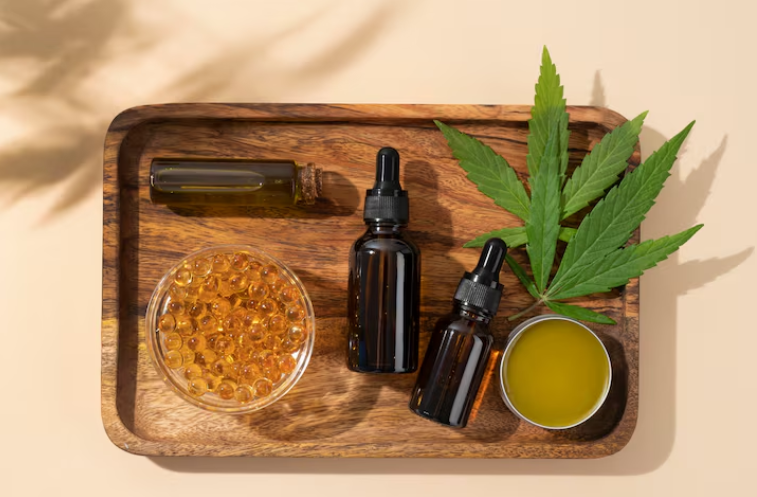
If you buy hemp products in Europe, you probably first want to know if CBD is legal there and if you can get addicted to it if you use it a lot. CBD laws in Europe are still all over the place in 2025. Most nations let individuals buy hemp-based goods with very little THC, but food regulations, labelling rules, and border inspections can make things hard.
At the same time, more and more people use CBD every day, from softgels and balms to CBD tincture for sleep. This guide tells you where CBD is legal, how the restrictions are different in different places, and how science answers the question “Can you get addicted to CBD?” without using scare tactics.
EU Rules: THC Limits, Novel Foods and What “Legal” Really Means
In most of the EU, CBD from hemp is legal as long as the THC level is less than 0.2%. However, certain states, like Poland and France, have a 0.3% limit for hemp types. But “legal” doesn’t mean easy. CBD that can be eaten is considered a “novel food,” thus oils, capsules, and full spectrum CBD oil products need EU or national permission before they can be sold.
EFSA has even suggested a very cautious safe intake of 2 mg of CBD per day, but they acknowledge there are still big gaps in safety evidence. That’s why labels all around Europe now have clear information on the dose and where it came from.
Tolerant Markets: UK, Switzerland, Germany and Central Europe
A lot of European nations are open to CBD users who are also curious about the possibility of developing an addiction to CBD and at the same time, find high-quality products. One of the largest CBD markets in Europe, the Food Standards Agency maintains a publicly available list of CBD products under review as novelties in the UK.
Switzerland and Austria allow low tetrahydrocannabinol hemp products. In 2024, adult-use cannabis was legalized in Germany, although hemp-derived CBD may be used when the concentration of THC is strictly controlled. Consumers in such countries often compare the usefulness of CBD gummies to that of CBD tinctures for sleep, among other wellness products.
In these more lenient environments, capsule consumers can use products such as the 900mg of full-spectrum CBD nootropic capsules of Nootrocan (60 caps) to combine nootropic with hemp cannabinoid in their diets without breaking local regulations on THC and full-spectrum CBD oil.
Stricter or Grey-Area Countries: France, Italy, Nordics and Spain
CBD is treated strictly by other states. Hemp-derived CBD with no more than 0.3 percent THC is permitted in France, but smokable, high-THC, hemp flowers are prohibited and ingestible products are strictly regulated. Italy, Ireland and Finland have more stringent policies and occasionally consider foods that have any trace of THC to be illegal.
The use of CBD in Spain (esp. in cosmetics and topicals) is mostly allowed, which makes it hard to sell CBD gummies to induce sleep or tinctures to help sleep. In such markets, it is necessary to check whether a full-spectrum CBD oil or capsule is a cosmetic or a supplement and so on.
Cautious users can also consume less powerful doses of capsules, including Nootrocan 450mg full-spectrum CBD nootropic capsules (30 caps) and make certain to comply with local regulations on hemp, THC and labeling.
Can You Get Addicted To CBD, And Is Regular Use Safe?
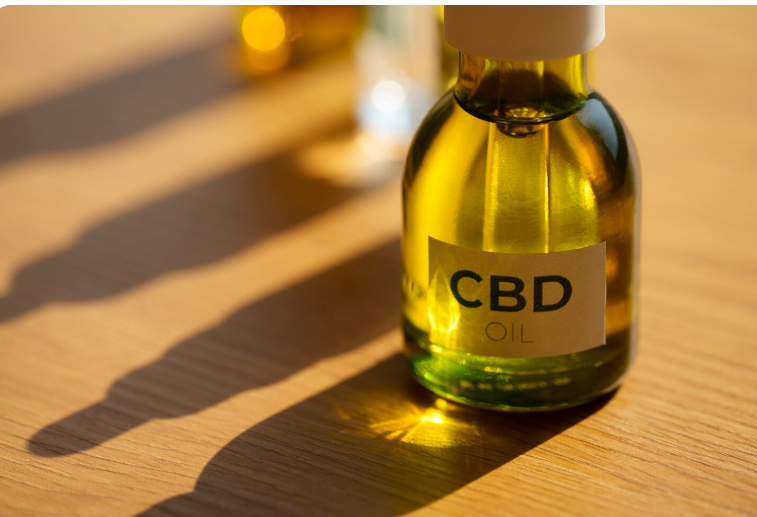
The legal questions usually become health issues. Should the use of CBD daily be legalized? May one get addicted to it? According to major health authorities, there is a very low risk of abuse of pure CBD.
According to the reports by the World Health Organization, CBD does not cause the symptoms of abuse or dependence in humans, nor does it produce highs similar to those of THC. High-risk populations. Clinical studies of high-risk populations discovered that even high doses of CBD have much less drug-like effects than drugs like alprazolam.
The popularity of CBD in the population is increasing at an alarming rate. A recent survey in Europe established that approximately 16 percent of adults had experimented with CBD. In 2023, the European CBD market is estimated to be USD 410 million and would have reached USD 4 billion by 2033. These numbers explain why legislators continue to reevaluate the relationship between access and caution.
Conclusion
So, is CBD still legal in all of Europe in 2025? Yes, in most nations, as long as the product comes from hemp, has less THC than the legal maximum, and follows food or cosmetic laws. But the specifics change from Germany to France, from Spain to the Nordics, and even between topical treatments and CBD gummies benefits goods. That’s why it’s helpful to think about two things: the law and your own safety.
For more practical guides, product ideas and hemp education, explore the Express CBD blog before your next purchase.


CBD for Pets: Pet Owners Love it, Now Recommended by Your Vet CBD
CBD Bubble Bath and 5 Ways to Build the Ultimate Self Care Routine with CBD
CBD Beverages Like Trip CBD Add a New Flare to the Edibles Market
CBD Cookie Dough & Incredibly Simple CBD Edibles You Can Make at Home
Is CBD Oil Legal in Spain?
Easing Anxiety: How to Take CBD Oil for Anxiety in the UK
The Current and Future Legal Landscape of CBD Flower in the UK
LVWell CBD Raw 5000mg CBD Oil Review