
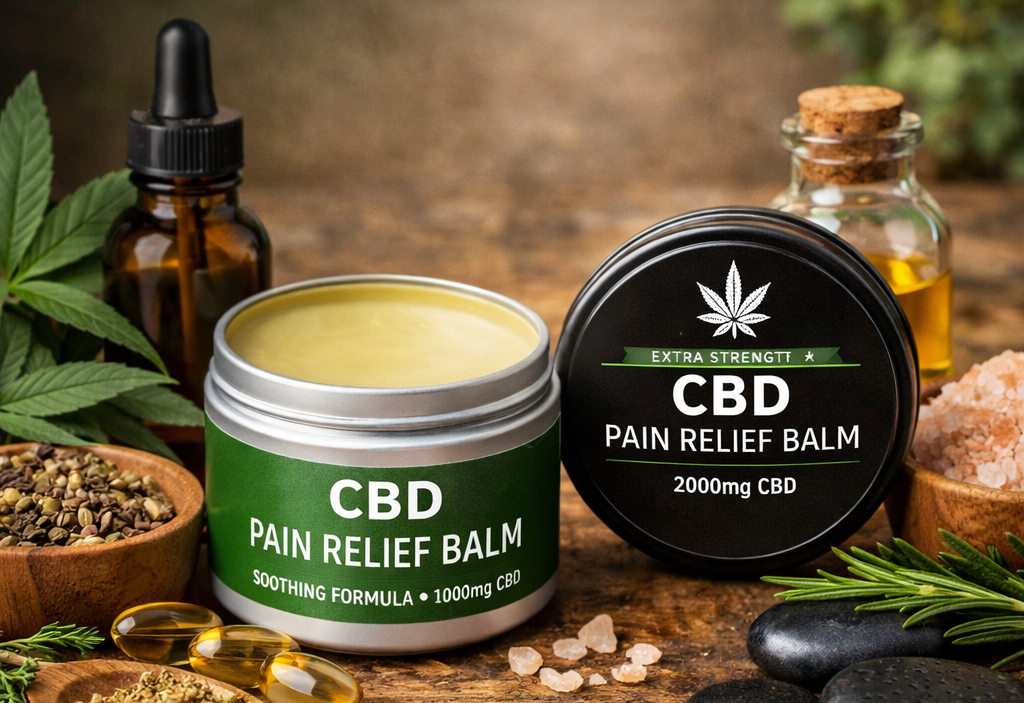
You wake up, your joints feel stiff, or maybe your muscles are sore after work. You wonder if CBD balm could actually help. Short answer: it’s useful for spot pain, joint stiffness, and some skin problems. Not a miracle, but it might be what you need for those specific aches.
Let’s walk through what CBD balm does, how it works, how to pick the right one, and what to watch out for.
What CBD Balm Does
You rub CBD balm right onto the spot that’s bothering you, your elbow, your knee, maybe a dry patch on your hand. It stays where you put it, so it’s really for pain in one spot, mild inflammation, or itchy skin.
Unlike THC, you won’t get high from CBD balm.
What it’s good for:
- Works directly on the spot you apply it
- Sore joints and small, achy areas
- Calms irritated or dry skin
- Most common side effect: mild skin irritation
What Is CBD Balm? How’s It Different Than Creams or Oils?
CBD Balm, Plain and Simple
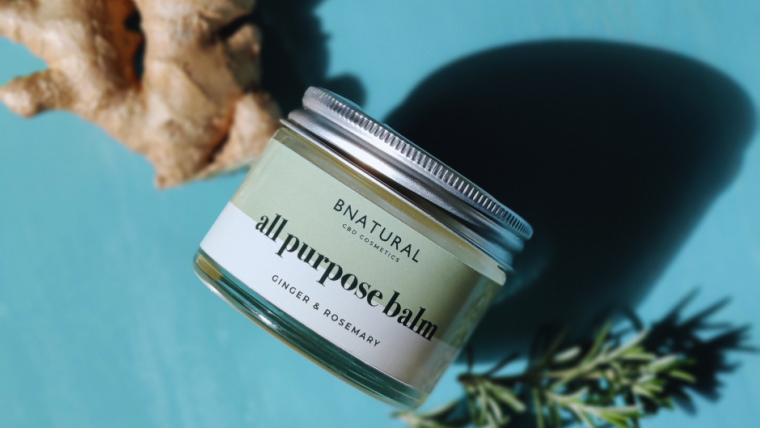
A balm is thick, almost like a lip balm or solid lotion. It sits on top of your skin, which means it’s good for massage and takes a while to soak in. Some even have menthol or camphor for a cool or warm sensation.
Balm vs Cream vs Lotion vs Oil
| Form | Texture | Works Well For | Downside |
| Balm | Thick, waxy, a bit greasy | Sore joints, massage, dry spots | Feels heavy |
| Cream | Smooth, in-between | Regular moisturizing | Doesn’t last as long |
| Lotion | Light, quick to soak in | Large or sensitive areas | Wears off quickly |
| Oil | Slippery, liquid | Spread over bigger areas | Can get messy |
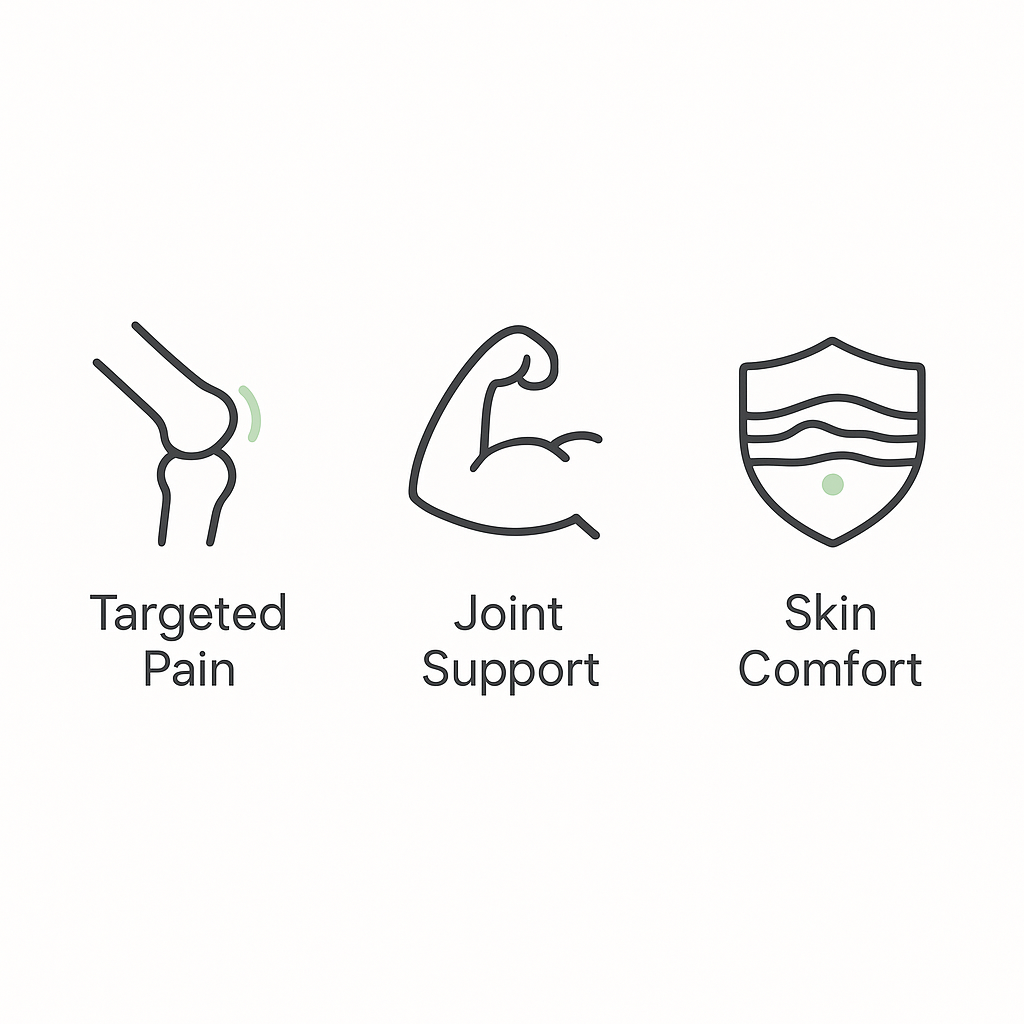
When People Use CBD Balm
Joint Aches
This is the main one. People rub it on their hands, knees, thumbs, and other areas. Helps with stiffness and local aches.
Studies are promising:
- In a survey of arthritis patients, most felt better, pain dropped by about half, two-thirds said they slept and moved better.
- In a small trial for thumb arthritis, pain and use of the joint improved, and no one had bad reactions.
Sore Muscles, Tight Spots
Stiff neck, achy shoulders, sore lower back? Balms get used for these too. Some people notice relief, but studies for workout soreness don’t show much difference, at least in the first couple of days after exercise. So, it’s often better for everyday aches than post-workout recovery.
Dry or Itchy Skin
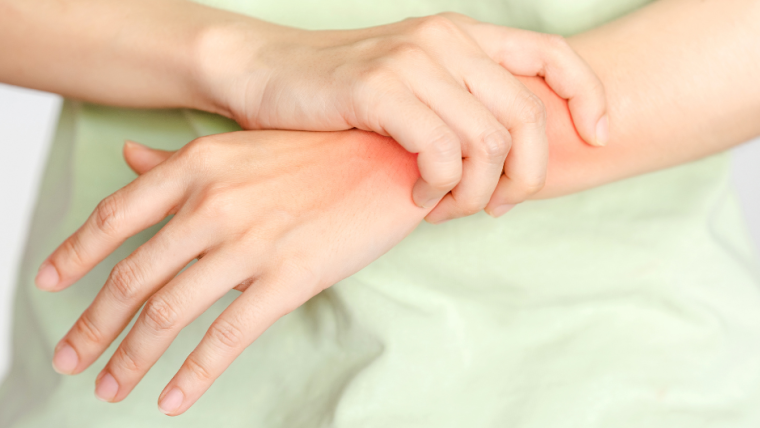
Balm isn’t just for pain, it’s also used on dry patches, itchy spots, eczema, and inflammation. Some research says it’s helpful for itchy skin and certain skin conditions.
Oily or Acne-Prone Skin
CBD could calm oil and redness, but balms are thick. If you get breakouts, try just a little at first, or use a lighter lotion or serum.
How CBD Balm Actually Works
CBD balm acts on local systems in your skin that handle swelling, itching, and pain. It mostly stays in place, only a tiny bit gets in the blood.
Menthol or camphor, if included, make your skin feel cool or warm. That can distract from pain.
Your skin has its own system, CB1 and CB2 receptors, found in skin cells, nerves, hair follicles, and oil glands. This system helps manage how skin feels and reacts.
CBD’s Effects on Swelling
CBD might reduce certain proteins (called cytokines) that make pain, redness, and swelling worse.
CBD can reduce nerve activity and calm cells that trigger itching, so you scratch less and feel less irritated.
Why There’s No High
Almost none of the CBD in the balm gets into your blood. You stay clear-headed.
How Long CBD Balm Takes to Work and How Long It Lasts
- Starts working: about 5 to 30 minutes
- If nothing changes: give it 30 to 60 minutes, then try more
- Lasts: a few hours, but this varies for everyone
How to Use CBD Balm the Right Way
- Wash and dry the spot you want to treat.
- Use a small amount at first.
- Warm the balm between your fingers to help it spread.
- Massage the spot for half a minute or so.
- Wait 15 to 30 minutes before adding more.
- For flare-ups, reapply every 3 to 6 hours, as long as your skin is okay.
- Stop using it if your skin gets irritated.
Tips:
- Skip broken skin (unless it says it’s safe)
- Wash your hands after
- Don’t use near your eyes or mouth
- Don’t add heat unless the product says you can
How Much CBD Is Right in a Balm?
No set number here. It depends on what hurts and how your skin reacts.
Strength Chart
| Discomfort | Suggested Strength | How Often | Notes |
| Mild or just dry | 1–2% or 250–500 mg/oz | 1–2 times a day | Good spot to start |
| Medium pain | 3–5% or 500–1000 mg/oz | As needed | Better for specific pain |
| High pain | 6–10%+ or 1000–5000 mg/oz | Short-term | Might help deep soreness |
How to Pick
- Mild: Start with 1–2%
- Moderate: Try 3–5%
- Stronger pain: Go for 6–10%+
Other factors affect results, like body size, skin thickness, how much you use, and what type of CBD is in it.
If it’s not helping after a week or two, try a stronger one or something different.
How to Pick a Good CBD Balm
What to Look For
- Check the total CBD content (in mg).
- Look at the size of the jar, and how much CBD per ounce or gram.
- Make sure it has a batch number.
- See if a lab report (COA) is available.
- Check the ingredient list if you have allergies.
- Pick the right texture for your skin and your goal.
Menthol and Camphor: Pros and Cons
Menthol and camphor give quick relief by cooling or warming the skin. They help with sore joints, but might irritate sensitive skin.
For sensitive skin, look for:
- No fragrances
- No essential oils
- Simple formulas
Avoid too much menthol or camphor on sensitive skin.
Reading a Lab Report (COA)
A quality balm will have a lab report from an outside lab. Good labs have ISO 17025 certification.
Check the report for:
- Actual CBD amount (should match the label)
- THC level (within limits)
- Bacteria, yeast, molds
- Heavy metals
- Pesticides and other unwanted substances
How to Find and Understand a COA
To get it:
- Find the batch number
- Look for the COA on the company’s website
- If not, ask customer support
To read it:
- Look for passing marks and “not detected” on harmful substances
- Ensure the lab is certified
- Check that the CBD matches the label (allowing for small differences)
- Make sure the test is recent
If you can’t find a COA or it seems questionable, that’s a red flag.
Want to try a CBD balm right away? Here’s an option: Buy CBD Balm
Safety, Side Effects, and Who Should Avoid CBD Balm
Common Side Effects
Most side effects stay on the skin:
- Redness
- Itching
- Rash
- Dryness
- Burning
- Swelling
What to Do If You React
Stop using the balm if you notice:
- Ongoing redness
- Itching
- Rash
- Swelling that spreads
- Burning
- Dizziness or nausea
If it’s mild:
- Wash the spot gently
- Skip more balm
- Watch for 1–2 days
Call for help right away if:
- Rash gets widespread
- You have hives or major swelling
- Blisters form
- Trouble breathing or facial swelling
- Intense itching with bad irritation
Sensitive or Reactive Skin
If your skin flares up easily, avoid these:
- Menthol
- Camphor
- Strong fragrances
- Essential oils
- Some preservatives
These can cause burning or redness. Pick a balm with minimal extras if you’re sensitive.
Patch Testing
Before you use it fully:
- Put a small dot on your forearm.
- Leave it on 1–2 days.
- Don’t wash it off right away.
- Watch for redness, itching, or rash.
If you react, don’t use it elsewhere.
Pregnancy, Breastfeeding, Liver Problems
Skip CBD balm if you’re pregnant or breastfeeding. It might be absorbed into your blood and reach the baby.
If you have liver disease (like cirrhosis or hepatitis), check with your doctor before using. The liver breaks down CBD, and higher blood levels could be a problem.
Mixing with Medications
Be cautious if you take medicines that are broken down by the cytochrome P450 system. This includes some seizure drugs, mood medications, painkillers, cholesterol drugs, and anything with a grapefruit warning.
Talking to Your Doctor
Talk to a healthcare professional if you:
- Are pregnant or breastfeeding
- Have liver problems
- Take prescription medications or herbs
- Have had skin reactions before
Be ready to discuss your full health and medication list, past liver problems, and side effects you’re worried about. There may be safer options.
FAQ
What’s CBD Balm Used For?
Mainly joint pain, soreness, itchy or dry skin, and mild inflammation. A common use is arthritis.
Does It Help Arthritis?
Yes, especially for pain and movement. Studies show less pain for some.
What About Sore Muscles After Exercise?
It might help you feel better, but research says results for workout soreness are weak.
How Often Can I Use It?
A lot of people use it once or twice daily for regular issues. For flare-ups, you can reapply every 3 to 6 hours if your skin is okay.
Will It Make Me Fail a Drug Test?
Risk is low, but full-spectrum balms can have tiny amounts of THC. There’s no guarantee you’ll pass if you use it a lot.
Does It Get into My Blood?
Just a little, most stays at the spot you apply it.
Safe With Liver Disease?
Talk to your doctor. Topical products are less risky than swallowing CBD, but caution still matters.
Mix With Other Pain Creams?
Don’t layer different menthol or camphor products on the same spot, they can irritate the skin. Ask a pharmacist if you already use another cream.
Picking the Right Balm for You
CBD balm is best for spot pain, joint problems, and easing dry or irritated skin. It works well for arthritis and specific aches, less so for general muscle soreness after exercise.
Start with a low strength, check what’s in it, patch test, and match the strength to your discomfort. Good lab reports, clear ingredient lists, and simple formulas matter as much as how much CBD you get.




CBD for Pets: Pet Owners Love it, Now Recommended by Your Vet CBD
CBD Bubble Bath and 5 Ways to Build the Ultimate Self Care Routine with CBD
CBD Beverages Like Trip CBD Add a New Flare to the Edibles Market
CBD Cookie Dough & Incredibly Simple CBD Edibles You Can Make at Home
Is CBD Oil Legal in Spain?
Easing Anxiety: How to Take CBD Oil for Anxiety in the UK
The Current and Future Legal Landscape of CBD Flower in the UK
LVWell CBD Raw 5000mg CBD Oil Review